


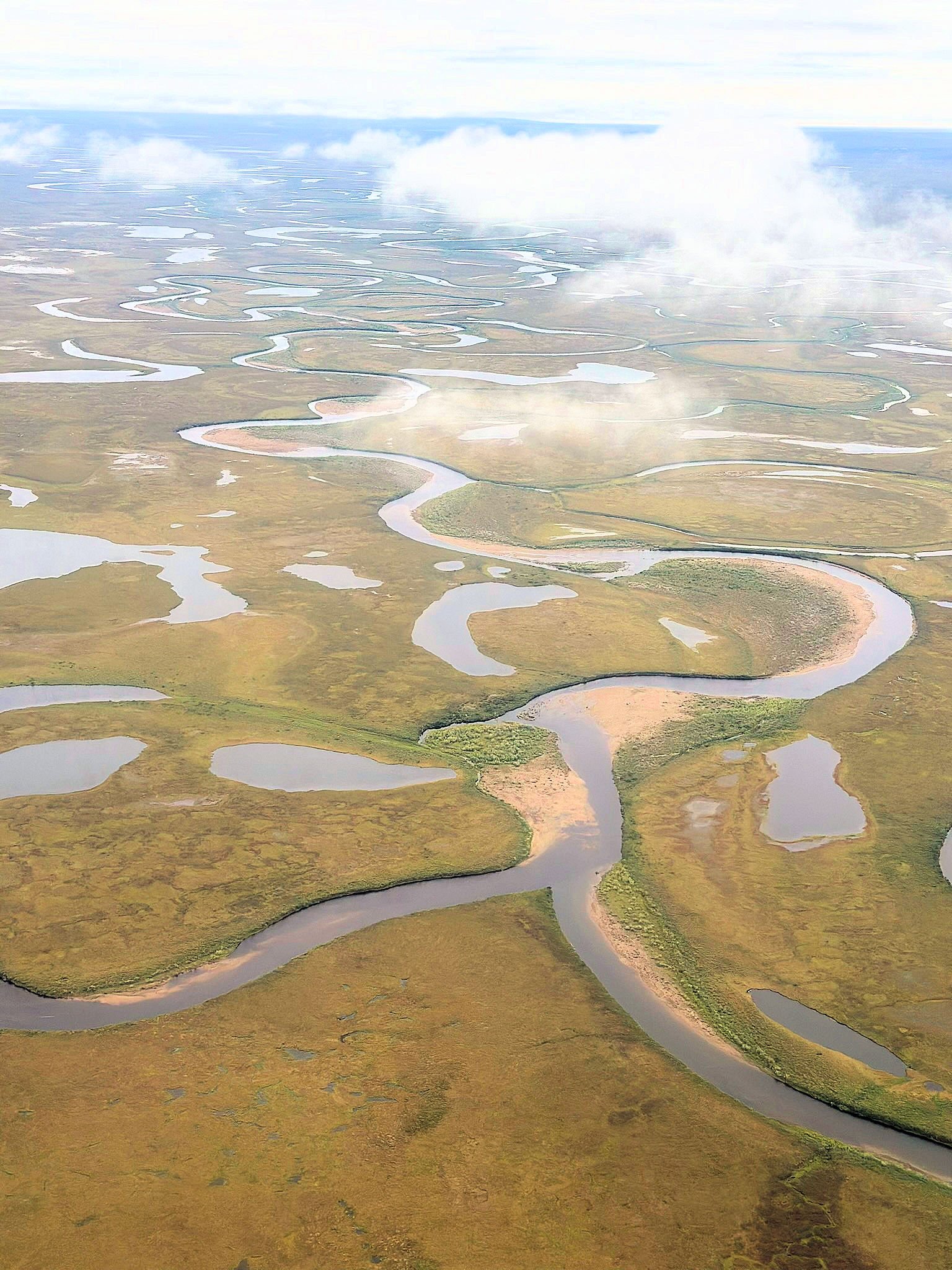
As the Arctic warms at nearly four times the global average, scientific initiatives must evolve beyond traditional observational models. NASA’s Earth Venture Suborbital Mission FORTE (Frontlines of Rapidly Transforming Ecosystems) offers a blueprint for policy frameworks balancing high-tech environmental monitoring with Indigenous knowledge systems. By integrating cross-scale data platforms with community partnerships in Alaska’s North Slope, the mission provides critical insights into land-ocean fluxes, climate-driven ecosystem disruptions, and regional adaptation strategies.
Key Policy Implications & Findings
- Integration of Indigenous Knowledge and Local Leadership: Successful environmental governance in vulnerable regions requires formalizing partnerships with local tribal councils and entities (such as the Native Village of Nuiqsut and the Kuukpik Corporation). Collaborative frameworks ensure that local observations—such as shifts in river safety, permafrost thaw, and changing wildlife patterns—directly inform research priorities and institutional capacity building.
- Multi-Scale Monitoring Networks: Relying solely on high-altitude remote sensing is insufficient for capturing localized climate stressors. Policymakers should champion multi-platform architectures that combine satellite remote sensing, airborne drone campaigns, and long-term in situ surface telemetry to monitor rapid hydrologic and geomorphological changes.
- Ecosystem and Infrastructure Vulnerability: Accelerating coastal and riverbank erosion—exacerbated by late-season ice breakups and extreme weather events—threatens critical subsistence activities, traditional whaling grounds (such as Cross Island), and community safety. Infrastructure development and regional land-use policies must account for dynamic, rapidly shifting shorelines and flood anomalies.
Strategic Recommendations
Incorporate Local Observations into Climate Models: Bridge quantitative earth-system modeling with qualitative, place-based historical records to create more accurate predictive tools for assessing nearshore Arctic ecosystem shifts and socioeconomic impacts.
Institutionalize Co-Production of Science: Incentivize federal and regional research grants to mandate meaningful collaboration with Indigenous communities from the initial planning phase through data interpretation.
Expand Resilient Ground-Based Infrastructure: Secure long-term funding for continuous, ground-level environmental sensors (like those deployed in the Colville River Delta) to capture high-frequency hydrologic anomalies that larger-scale remote monitoring might miss.