

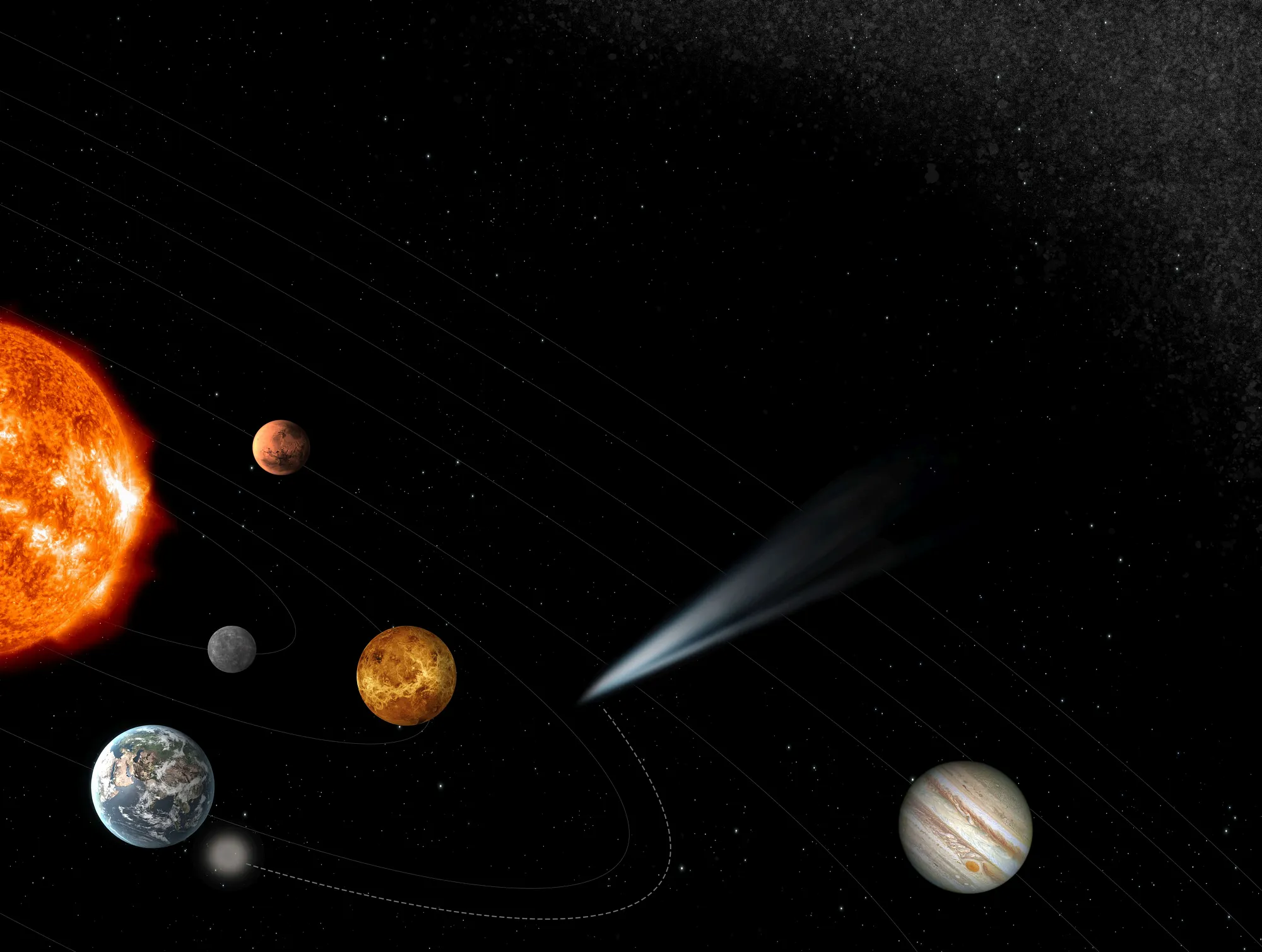
It wasn’t until 1610, when Galileo Galilei discovered four moons orbiting Jupiter, that humans learned there were moons other than our own. We know now that the Moon is just one of more than 891 moons in our entire solar system. However, our Moon is unique because it belongs to the only planet in our solar system that has life. As our closest neighbor in space, the Moon has given scientists incredible insight on both Earth and our solar system. Lunar missions conducted by NASA over the years have allowed humans to peek into our solar system’s past, long before we were ever around. In knowing more about our solar system’s past, we gain greater context of Earth’s place in our solar system.
The Start
Although there are varying theories about the Moon’s origin, it is widely agreed that a powerful and massive collision was the genesis event. It is theorized that approximately 4.5 billion years ago, an object about the size of Mars collided with Earth. The large and violent collision between the two objects sent molten and vaporized debris out into space. Over time, the materials from the collision formed the Moon. In the 60s and 70s, the Apollo program helped strengthen scientists’ existing theories about the Moon.
The discoveries from NASA’s Apollo program helped transform existing theories about the start of the Moon. During the Apollo missions, lunar rock samples were collected and analyzed. These samples gave scientists incredible answers to long-standing questions. They could determine from the samples that during the Moon’s formation it had been molten and for millions of years it had been covered with magma. Scientists also learned that lunar rocks and Earth rocks have an incredibly similar chemical composition. The chemical composition of the two is so similar that scientists were able to conclude that the Moon had once been a part of Earth. The findings from the Apollo missions gave scientists context for future theories and discoveries about the Moon and our solar system.


Photo credit: Conrad Jung
A Planet-Full of History
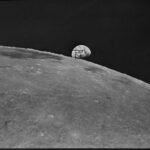
Every crater on the Moon tells us a story about our solar system’s past. Asteroids, meteoroids, and comets have marked the surface of the Moon for millions of years, leaving a vast history for us to explore. There is no wind or liquid water on the Moon, preserving the impact craters on the surface. Meanwhile, impact evidence on Earth has been affected by erosion, plate tectonics, and volcanic activity. By investigating the Moon’s craters, we learn more about both the Moon’s and our solar system’s past. The more scientists learn about the Moon’s craters, the better insight astronauts will have when they visit the Moon in the future.

Photo credit: NASA
The Artemis Program
NASA’s Artemis program has opened the door to further investigation into the Moon and beyond. Through a series of missions, scientists will have greater insight into questions surrounding the Moon and what to expect for and from future lunar missions. In the most recent phase, Artemis II, astronauts Reid Wiseman, Victor Glover, Christina Koch, and Jeremy Hansen performed various tasks during their journey; analyzing and recording geologic features of the Moon. The information gained from Artemis II will help scientists develop a better geologic history of the Moon and will be crucial for future exploration of the Moon and eventually Mars.
Chabot’s Historic Telescopes
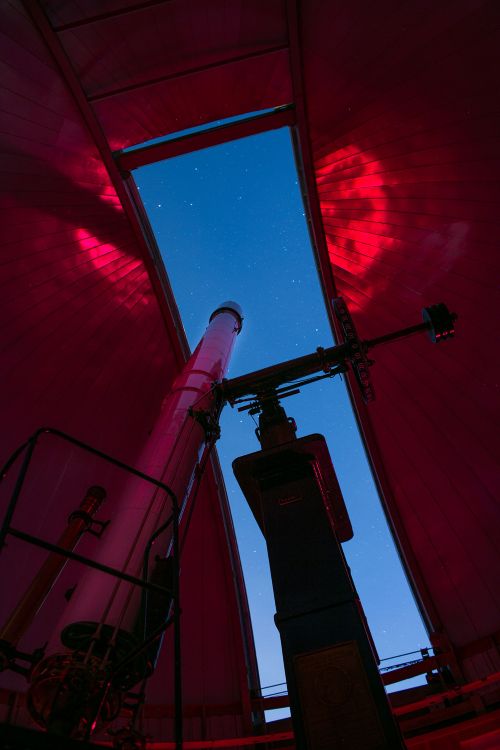
As we head into warmer weather in the Bay, there will be more opportunities to clearly view celestial objects in the night sky. Since 1883, Chabot’s inception, telescope viewings have been open and free to the public. We continue that longstanding tradition every Friday and Saturday night from 7:30PM-10:30PM (weather permitting). Our incredible telescope operators and volunteers are always eager to help answer any astronomical curiosities and questions. Visit chabotspace.org to find out more information about our 3 historic telescopes: Leah, Rachel and Nellie!
Keep That #MoonJoy Alive!
Chabot has a summer full of exploration and joy planned – and there’s something for everyone! From Sci-Fi Movie Nights in the Planetarium and Hike & Sips through the redwoods, the return of Space Week to Cosmic Camp-in sleepovers under the stars.